Fast Lead Times
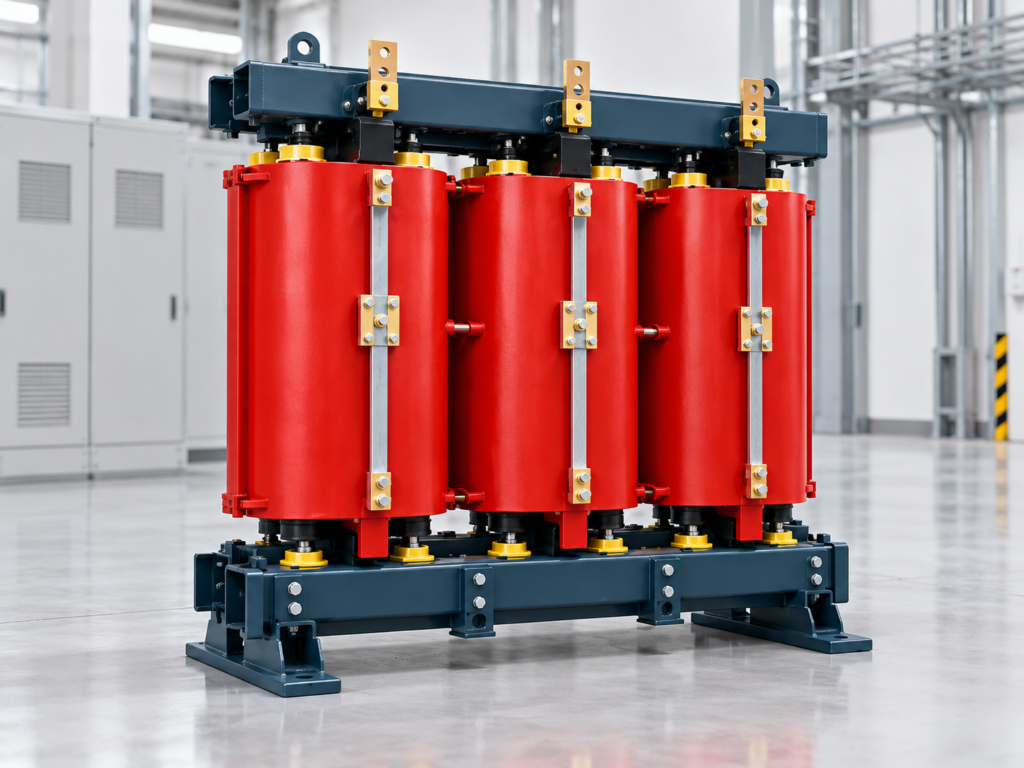
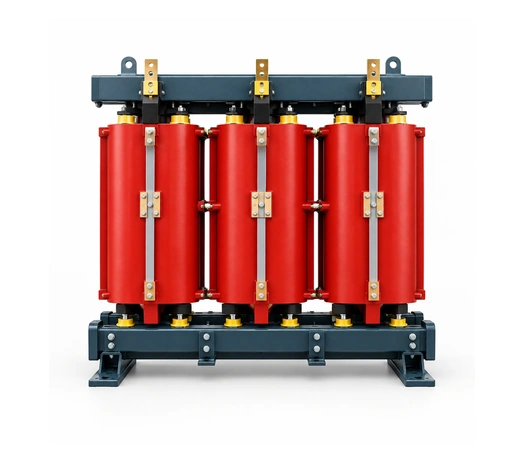
Dry-Type Transformer
Reliable dry-type transformers designed for indoor and demanding environments where safety, low maintenance and clean operation are essential.
- Oil-Free & Fire-Safe Design
- Low Maintenance
- High Insulation Performance
- Flexible Indoor Installation
Our Transformer Products
Why Choose Dry-Type Transformers
Dry-type transformers are designed for applications where safety, reliability and easy maintenance are especially important.

Oil-Free & Fire-Safe
No insulating oil is required, reducing fire risk and eliminating the possibility of oil leakage.

Low Maintenance
Simple construction and oil-free operation help reduce routine maintenance requirements.

Excellent Insulation
High-quality insulation materials provide stable electrical performance and long service life.

Flexible Installation
Suitable for indoor installation and areas with strict environmental or fire-safety requirements.
Key Features
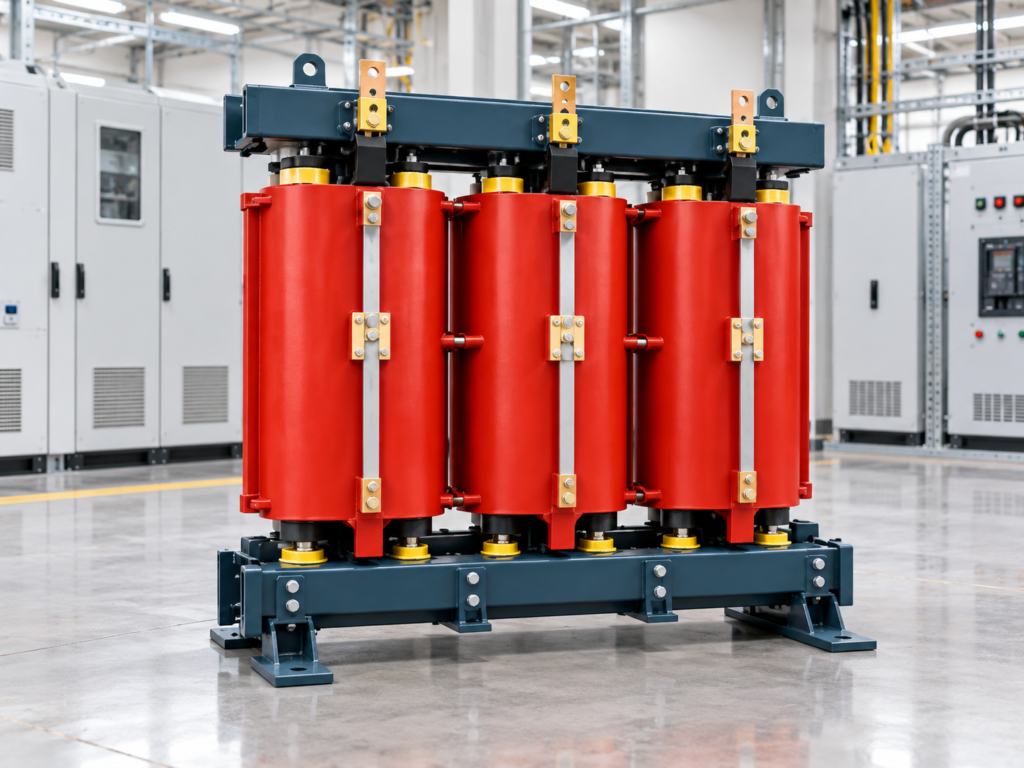
High Safety Performance
Designed without combustible insulating oil, making it suitable for buildings and sensitive environments.
Low Energy Loss
Optimized core and winding design helps reduce no-load and load losses.
Strong Thermal Performance
Efficient ventilation and insulation systems support reliable operation under various load conditions.
Compact Structure
Space-saving design makes installation easier in electrical rooms and indoor substations.
Low Noise
Optimized core structure helps reduce operating noise for commercial and public environments.
Technical Specifications
| Rated Capacity | 30 kVA - 10,000 kVA (customizable) |
| Rated Voltage | Up to 35 kV (customizable) |
| Frequency | 50 Hz / 60 Hz |
| Phase | Three Phase |
| Insulation Type | Cast Resin / VPI |
| Cooling Method | AN / AF |
| Vector Group | Dyn11, Yyn0 or customized |
| Insulation Class | F / H |
| Temperature Rise | According to project requirements |
| Protection Class | IP00 / IP20 / IP23 or customized |
| Standards | IEC, ANSI/IEEE, GB or other applicable standards |
| Application | Commercial buildings, factories, data centers, hospitals, infrastructure and renewable energy projects. |
Get a Same Day Padmount Quote
Project Information
Frequently Asked Questions
What Is A Dry-Type Transformer?
A dry-type transformer uses air and solid insulation materials instead of insulating oil for cooling and insulation. It is widely used in indoor and fire-sensitive environments because of its high safety and low maintenance requirements.
What Are The Main Advantages Of Dry-Type Transformers?
Dry-type transformers offer oil-free operation, reduced fire risk, low maintenance, compact installation, and reliable performance, making them suitable for commercial and industrial applications.
Where Are Dry-Type Transformers Commonly Used?
They are commonly used in commercial buildings, data centers, hospitals, factories, rail transit, infrastructure projects, and renewable energy systems.
What Voltage And Capacity Ranges Are Available?
We offer dry-type transformers with capacities from 30 kVA to 10,000 kVA and voltage levels up to 35 kV. Customized configurations are also available according to project requirements.
Can you accommodate fast delivery?
Yes. Lead times depend on transformer specifications, quantity, and customization requirements. For standard configurations, we can offer faster production and delivery schedules based on project needs.
What tests are conducted before shipment?
Each transformer undergoes quality inspection and routine testing before shipment. Testing may include insulation, winding resistance, ratio, loss, dielectric, and other tests required by the applicable standard.
Do you provide installation guidance or support?
Yes. We can provide technical documentation, installation guidance, product specifications, and after-sales technical support to help customers with installation and commissioning.
What is the expected service life of your transformers?
With proper installation, operating conditions, and regular maintenance, our transformers are designed for long-term reliable operation. Actual service life may vary depending on load conditions, environment, and maintenance practices.